
What Makes a Safe Nursery in Dubai?
Safety is usually the first thing on a parent’s mind when touring nurseries, even before curriculum or fees come into the conversation. But “safe” can mean different things depending on what a nursery actually has in place. This guide breaks down what genuinely makes a safe nursery in Dubai, so you know exactly what to look for and ask about before enrolling, and what separates a genuinely safe nursery in Dubai from one that simply says the right things.
Why Safety Standards Matter from Day One
A safe nursery in Dubai isn’t just about avoiding accidents; it covers hygiene, staff vetting, emergency procedures, and how a nursery handles the small, everyday moments where young children are most vulnerable. Since children this age can’t always communicate discomfort or danger clearly, the nursery safety standards a nursery has in place matter more than they would for older students,
Core Nursery Safety Standards to Look For
A safe nursery in Dubai is usually built on a consistent set of nursery safety standards rather than one standout feature, so it’s worth checking each of the following before you commit.
- CCTV Coverage and Secure Entry

A safe nursery in Dubai should have CCTV monitoring across classrooms and common areas, along with secure entry and exit systems that prevent unauthorized pickup. Ask specifically who has access to camera footage and how pickup authorization is verified each day.
- Staff Vetting and Ratios

Nursery safety standards should include background checks for all staff with direct child contact, alongside low teacher-to-child ratios. Smaller group sizes mean children are supervised more closely, and any incident is noticed and addressed faster in a genuinely safe nursery in Dubai.
- Hygiene and Cleaning Protocols

Daily cleaning schedules, handwashing routines, and clear procedures for illness (including when a child should be kept home) are core nursery safety standards worth confirming directly rather than assuming.
- Allergy and Medical Management

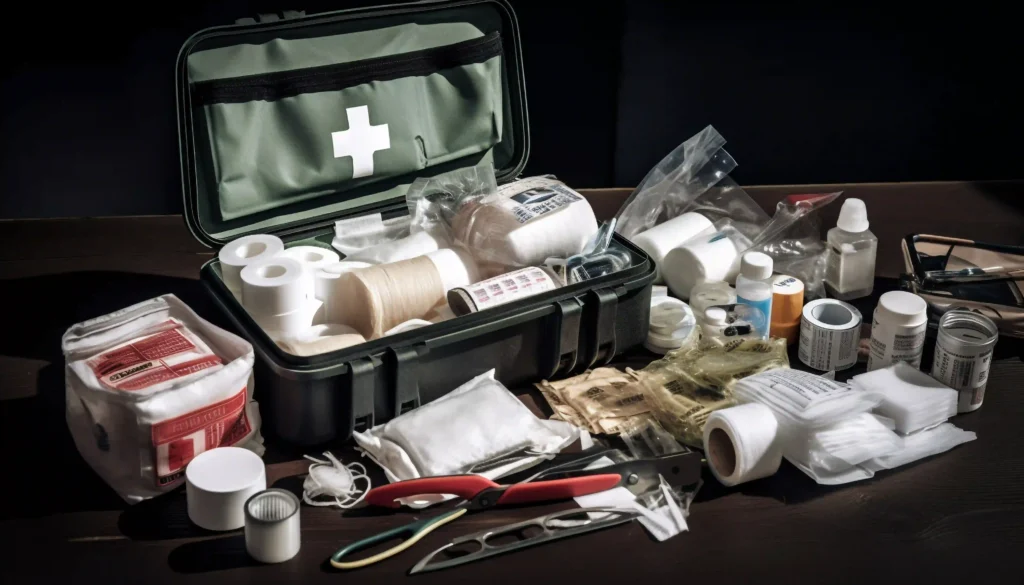
A safe nursery in Dubai should have a documented process for managing allergies, administering medication if needed, and responding to medical emergencies, including staff trained in pediatric first aid. This is one area where a safe nursery in Dubai should never be vague when asked directly.
- Outdoor Play Area Safety
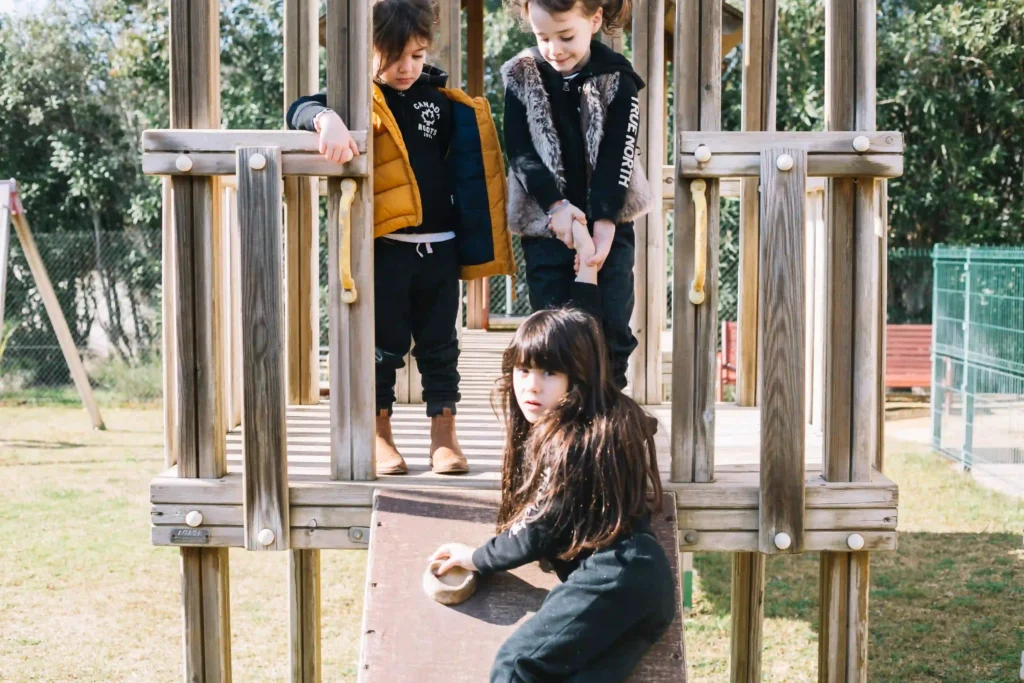
Outdoor spaces at a safe nursery in Dubai should have age-appropriate equipment, soft flooring where needed, and constant supervision. Fencing and secure boundaries matter just as much as the equipment itself.
- Emergency Preparedness
Fire drills, evacuation procedures, and clearly displayed emergency contacts are basic but essential nursery safety standards. A nursery that can walk you through its emergency plan in detail, rather than vaguely, is demonstrating real preparedness rather than box-ticking.
KHDA Safety Requirements and What They Cover
KHDA safety requirements form part of the broader inspection criteria applied to every registered nursery in Dubai, covering supervision, safeguarding policies, and how incidents are documented and reported. Checking a nursery’s most recent KHDA inspection summary is one of the fastest ways to see whether KHDA safety requirements are being met in practice, and whether the nursery truly qualifies as a safe nursery in Dubai, not just on paper.
Questions to Ask During a Nursery Tour
These questions can help you quickly assess whether a nursery meets real nursery safety standards and genuine KHDA safety requirements, not just the ones listed on its website:
- How is CCTV footage stored, and who can access it?
- What’s the staff-to-child ratio for my child’s age group?
- What happens if my child needs medication during the day?
- Can you walk me through your fire evacuation procedure?
- How do you verify who is authorized to collect my child?
What This Looks Like in Practice
Seeing nursery safety standards described in specifics, rather than general reassurances, is a strong signal. You can review CircleTime’s approach to safety and facilities directly, where CCTV coverage, hygiene practices, and secure premises are outlined across its branches. For families comparing options, it’s also worth looking at how a nursery structures its curriculum and daily activities, since a safe, well-supervised environment is usually paired with equally structured learning. Checking the fee breakdown alongside safety information also helps you judge whether a nursery is being transparent across the board, not just on pricing.
Frequently Asked Questions
Is CCTV coverage mandatory in Dubai nurseries? Nurseries operating under KHDA safety requirements are generally expected to maintain monitoring and secure premises as part of standard child protection practice, one of the clearest markers of a safe nursery in Dubai, though it’s worth confirming specifics directly with each nursery.
How do I know if a nursery’s staff have been properly vetted? Ask directly about background check procedures and how they connect to broader nursery safety standards. A safe nursery in Dubai should be able to explain its hiring and vetting process without hesitation.
What should I do if I have concerns about safety at a nursery? Raise it directly with the nursery’s management first. If unresolved, KHDA safety requirements provide a formal channel for parents to escalate concerns.
Does a nursery’s KHDA rating reflect its safety standards? Yes, safety and welfare are a core part of what KHDA inspections assess, so the published rating does reflect nursery safety standards alongside teaching quality.
Final Thoughts
A genuinely safe nursery in Dubai shows its safety practices clearly and specifically, not through vague reassurances. During any tour, ask direct questions about CCTV, staff vetting, ratios, and emergency procedures, and don’t hesitate to request a nursery’s most recent KHDA inspection summary. A safe nursery in Dubai should welcome these questions rather than deflect them. If you’d like to see these standards laid out for a specific nursery, CircleTime’s team is a useful starting point for direct questions before you book a tour, and comparing that against CircleTime’s published information more broadly can help you judge consistency across branches.